
Extending Landfill Lifespan in Canada’s Most Expensive City
Vancouver’s Landfill Challenge
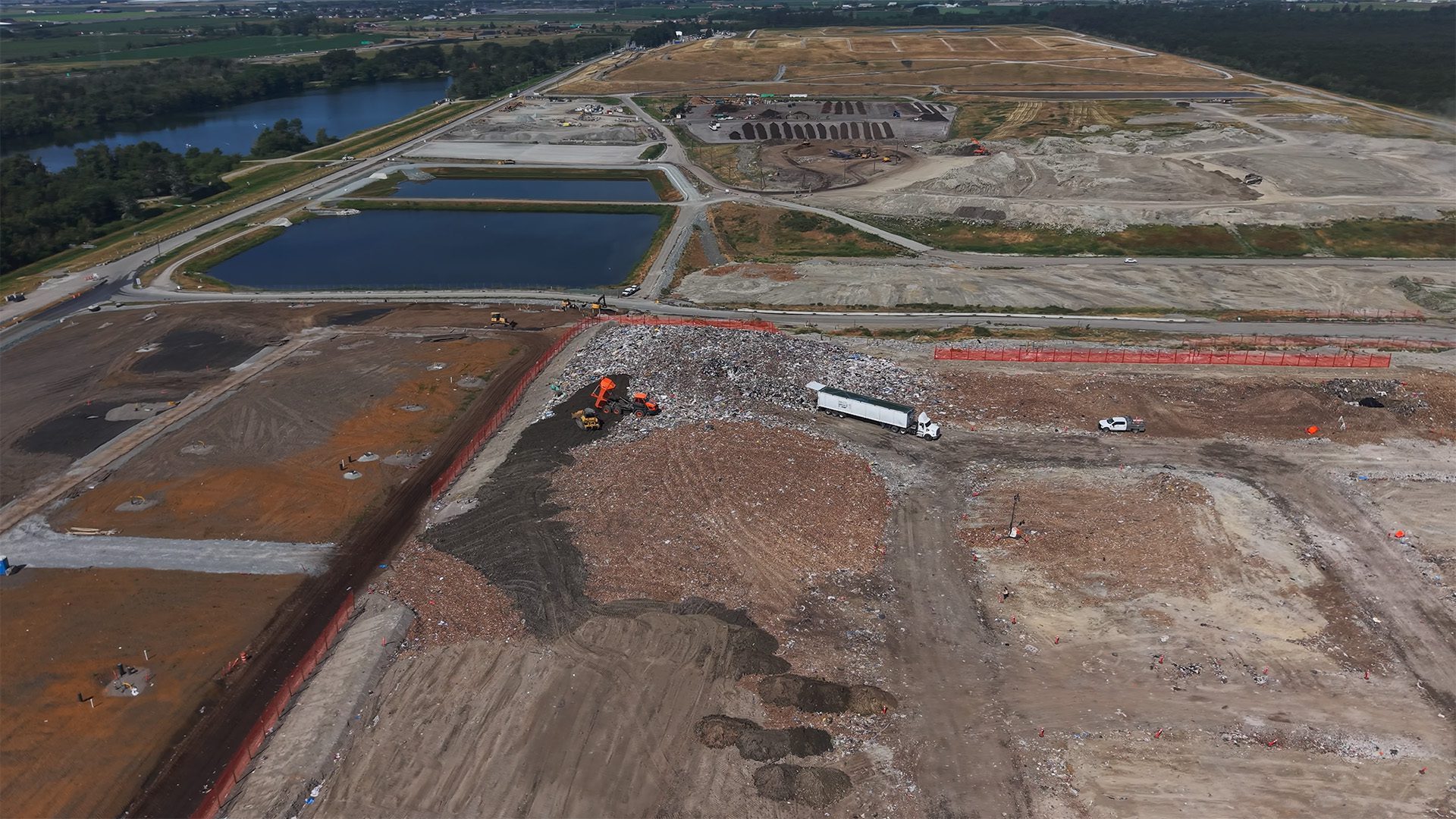
Landfill space continues to be a limited resource in Vancouver, British Columbia. Current estimates now place the Vancouver landfill’s capacity date around 2050, an extension from the previous 2030 estimate due in part to land settling and improved waste processing at the landfill.
For Metro Vancouver residents, that extension helps delay the need to ship waste farther from the region. If the landfill had reached capacity in 2030, longer hauling distances were expected to increase tipping fees, with projected cumulative tipping costs estimated at more than $300 million¹.
A major part of extending landfill life is reducing how much material enters the landfill in the first place. Metro Vancouver is already one of North America’s stronger recycling regions, with a reported recycling rate of 65%². Across the region, new methods and technologies continue to be adopted to recover more value from incoming waste streams.
How Eco-Agg Turns Construction Waste into Usable Aggregate
Eco-Agg Concrete Recycling is one company contributing to that effort.
With three locations across the Lower Mainland, Eco-Agg accepts hundreds of tonnes of concrete and asphalt rubble each day. The company recycles nearly everything that comes through its sites, aside from a small percentage of wood and other waste that needs to be separated from the material stream.
“We want to do everything that we can to take the material that can be recycled and turn it into a high-quality construction material, remove that from the fill site stream so that they can be reused and reduce the cost of living in BC.” – Connor Reid, General Manager at Eco-Agg
Recycled Aggregate in Action
Eco-Agg takes material traditionally treated as construction debris and turns it into usable aggregate for road subbase, haul roads, structural fill, backfill, and new development work. The company has also supplied the ongoing Highway 1 corridor expansion with tens of thousands of tonnes of 3” minus product and expects to supply more material as the project continues.
The benefit goes beyond landfill diversion. By recycling concrete, asphalt, and metal into usable aggregate, Eco-Agg helps reduce demand for virgin aggregate from surrounding quarries. Those quarry resources are finite, and every project that can use recycled material helps preserve that supply for future construction needs.
For the Lower Mainland, that creates another reliable source of aggregate close to where projects are being built. It helps reduce trucking distances, eases pressure on local quarries, and supports more stable construction costs for infrastructure, housing, public works, and development projects.
The Role of Crushing Equipment in Concrete Recycling
After more than 10 years in concrete recycling, the operation has worked through several impact crushers and seen what holds up in a demanding yard environment.
The Keestrack R5 and R6 models have become part of that process, reducing concrete and asphalt into usable aggregate while separating rebar from the material stream. In this type of application, the crusher has to handle more than clean, consistent feed. Material arrives from different jobsites, often with different sizes, densities, and levels of contamination.
Keeping Production Moving with Local Support
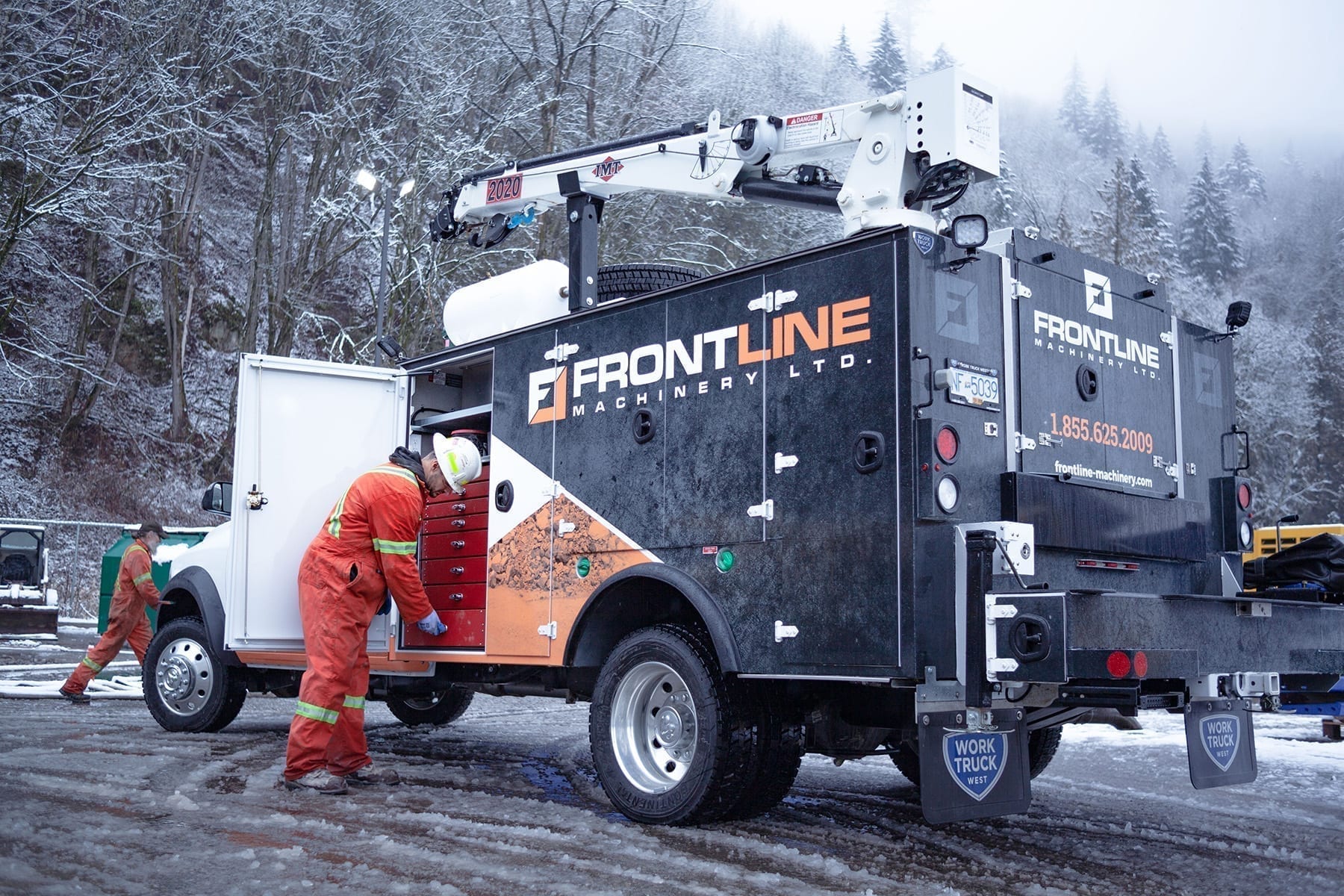
For Connor Reid and the team, the decision is not based on crusher performance alone. Service and support have become just as important as production.
“We’ve used other impact crushers in the past, but nobody has been able to provide the support and service that Frontline has been able to with the Keestrack line.”
When the yard is taking in material every day, small delays can back up quickly. Having parts, service, and application support close by helps keep the equipment available and the recycled aggregate moving out to local construction projects.
Building More with the Material Already Here
As Vancouver and the Lower Mainland continue to face rising construction costs, limited landfill space, and finite quarry resources, the work being done by companies like Eco-Agg becomes more important.
Every tonne of concrete and asphalt that can be recycled is material that does not need to take up landfill capacity or be replaced with virgin aggregate hauled in from farther away. In a region where space is becoming harder to find and more expensive to use, turning existing material back into usable construction aggregate is a practical way to reduce waste, protect local resources, and support the projects that keep the region moving.
Sources
1 Metro Vancouver. (2026, January 22). Vancouver Landfill lifetime extended to approximately 2050.
2 Most recent figures derived from Statistics Canada disposal & diversion tonnages (2018) and Metro Vancouver 2021 Annual Solid Waste and Recycling Summary