
Frontline Training & Services
By Machine Type
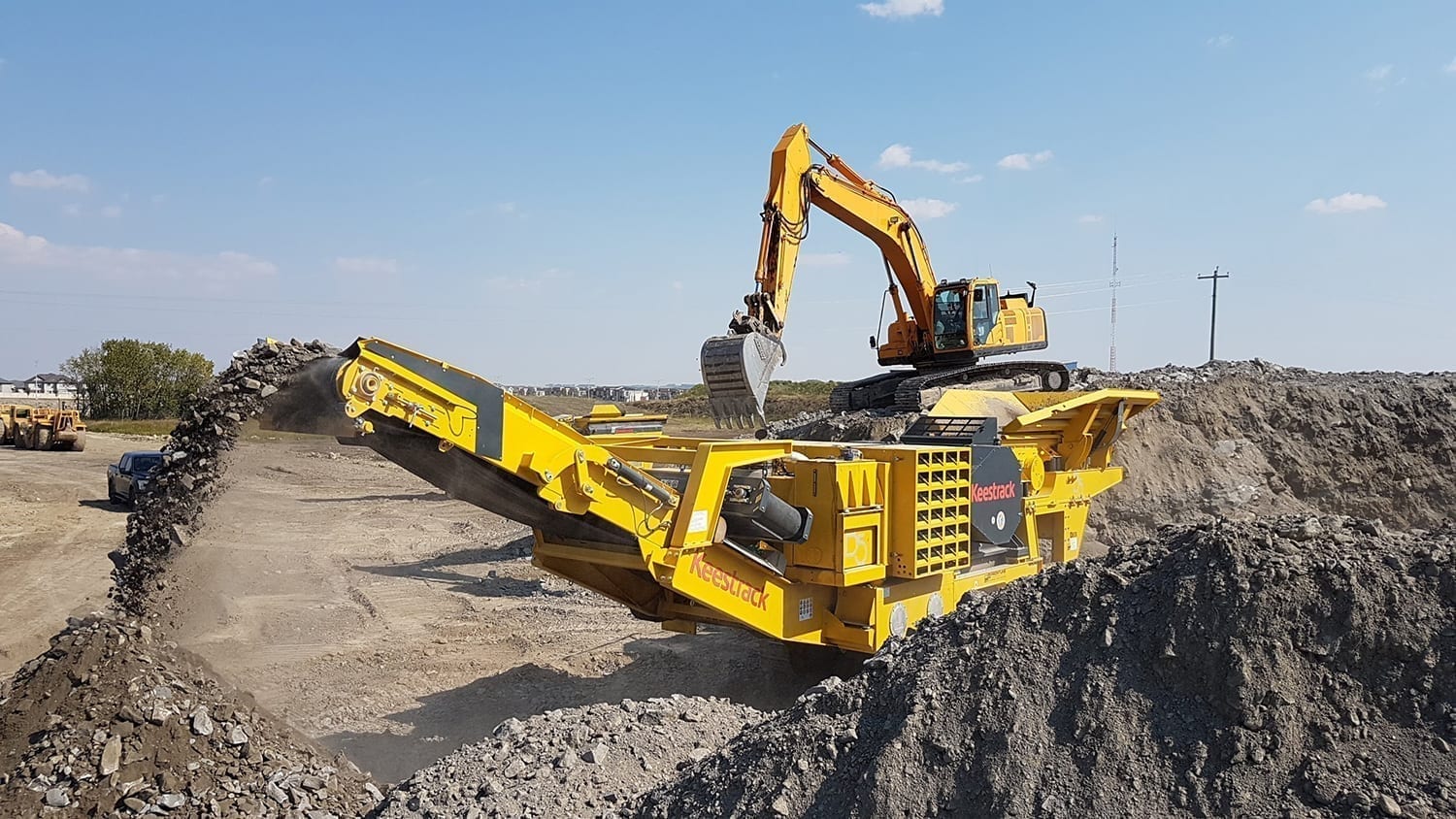
Crusher Services
Rebuilds, repairs, and replacements for jaw plates, cone liners, blow bars, hydraulics, bearings, and other crusher components.
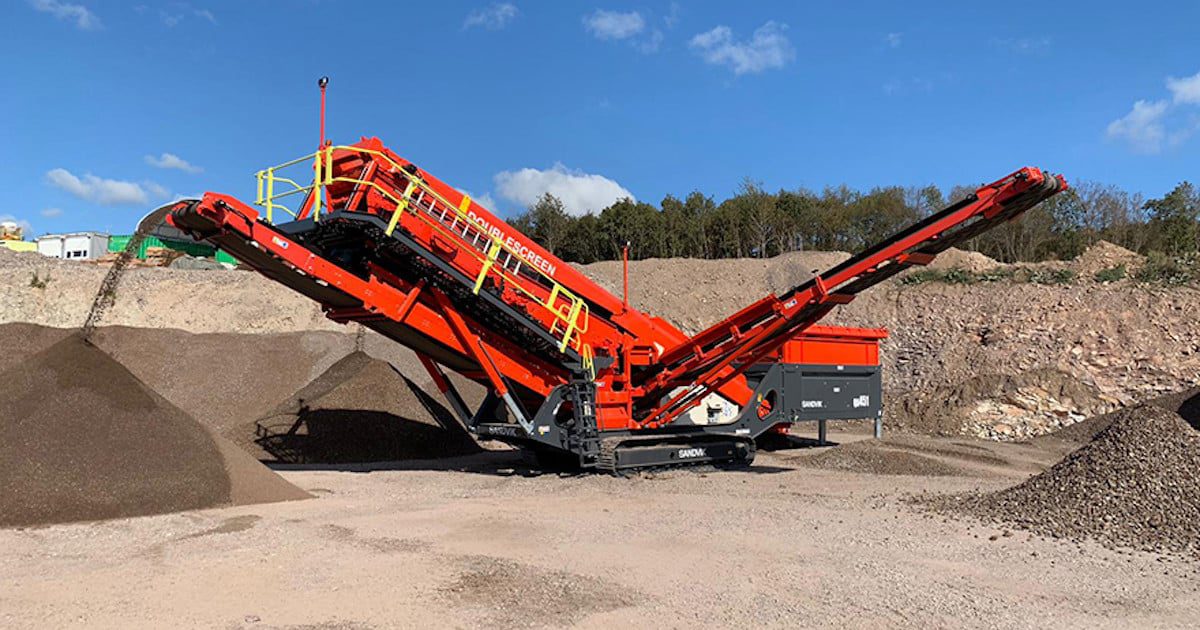
Screener Services
Inspections, repairs or training of drive belts, screen mesh, spring assemblies and everything else to keep your screener working smoothly.
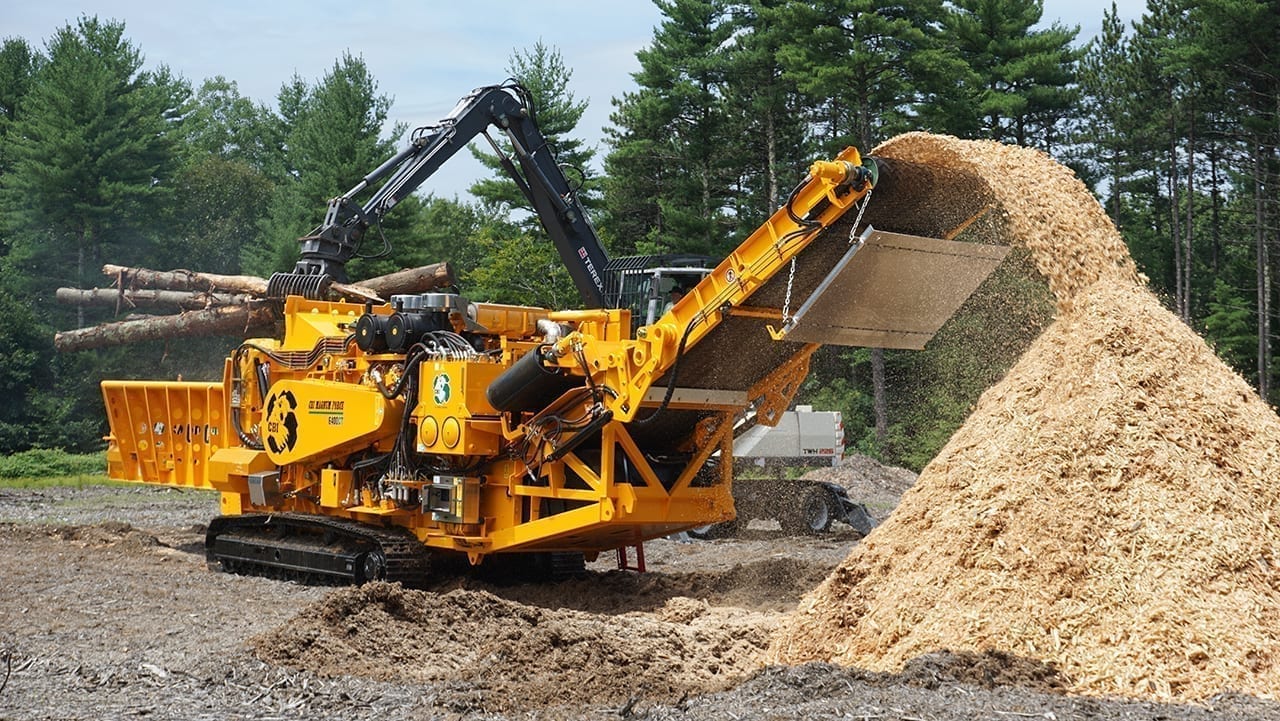
Grinder Services
Keep your grinder working at full capacity with Frontline’s inspections, maintenance, parts, and rebuild services.
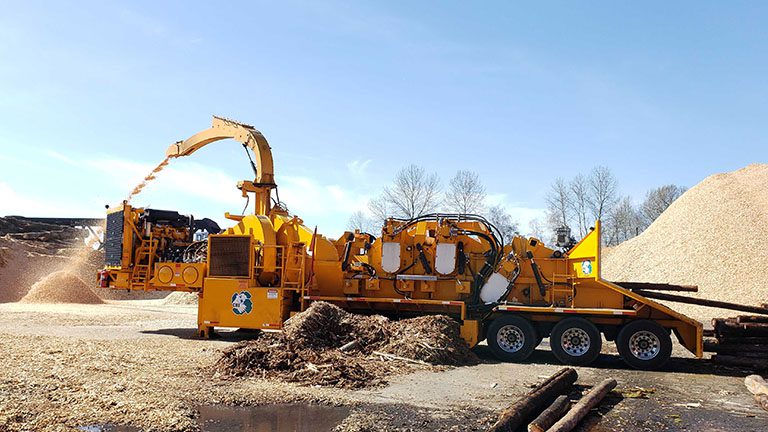
Debarker & Chipper Services
Complete service and support for debarkers, disc chippers, and drum chippers. From knife and rotor maintenance to hydraulic and structural repairs.
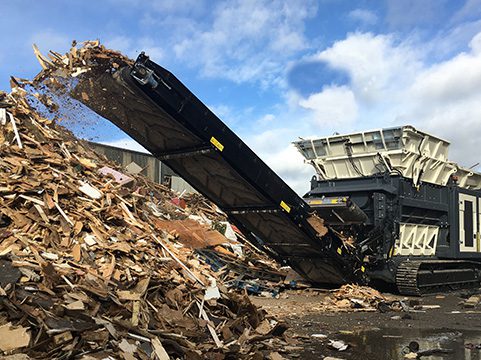
Shredder Services
Screen, cutter tips, gear boxes, conveyor maintenance and repair services to keep your grinder processing the most material possible.
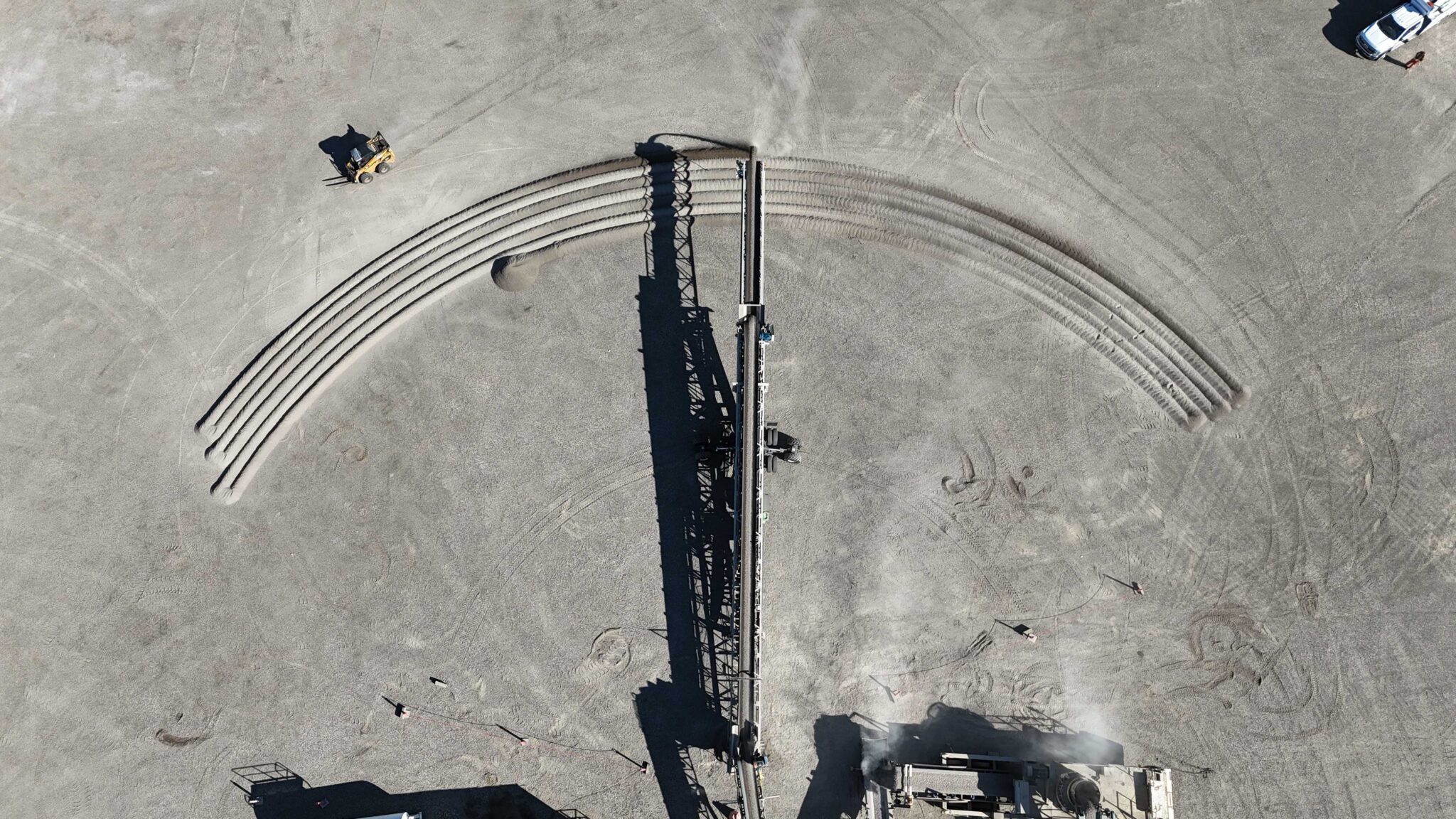
Conveyor Services
Everything you need to keep your conveyor moving material. Repair or replacement of pulleys, idlers, through frames and more.
Why Choose Frontline?

On-Site Maintenance & Training Services
Canada-wide support brings expert service and practical training directly to your jobsite.

Knowledgeable
& Versatile Technicians
Our technicians are trained on the machines we carry, and plenty we don’t. So no matter which brand you run, we know how to handle it.

Remote Diagnosis
& Troubleshooting
All of our clients gain access to our dedicated technical service line. Our experts can walk you through quick fixes or schedule a dedicated technician to visit your site.

Customized Training Programs
Understanding your machine is the first step to maximum production. Our team custom tailors training sessions to your exact application.

Extensive Parts Invetory
We carry one of the most extensive inventories of crushing, screening, and grinding spare and wear parts and technical staff.
Machine types
Crusher Services
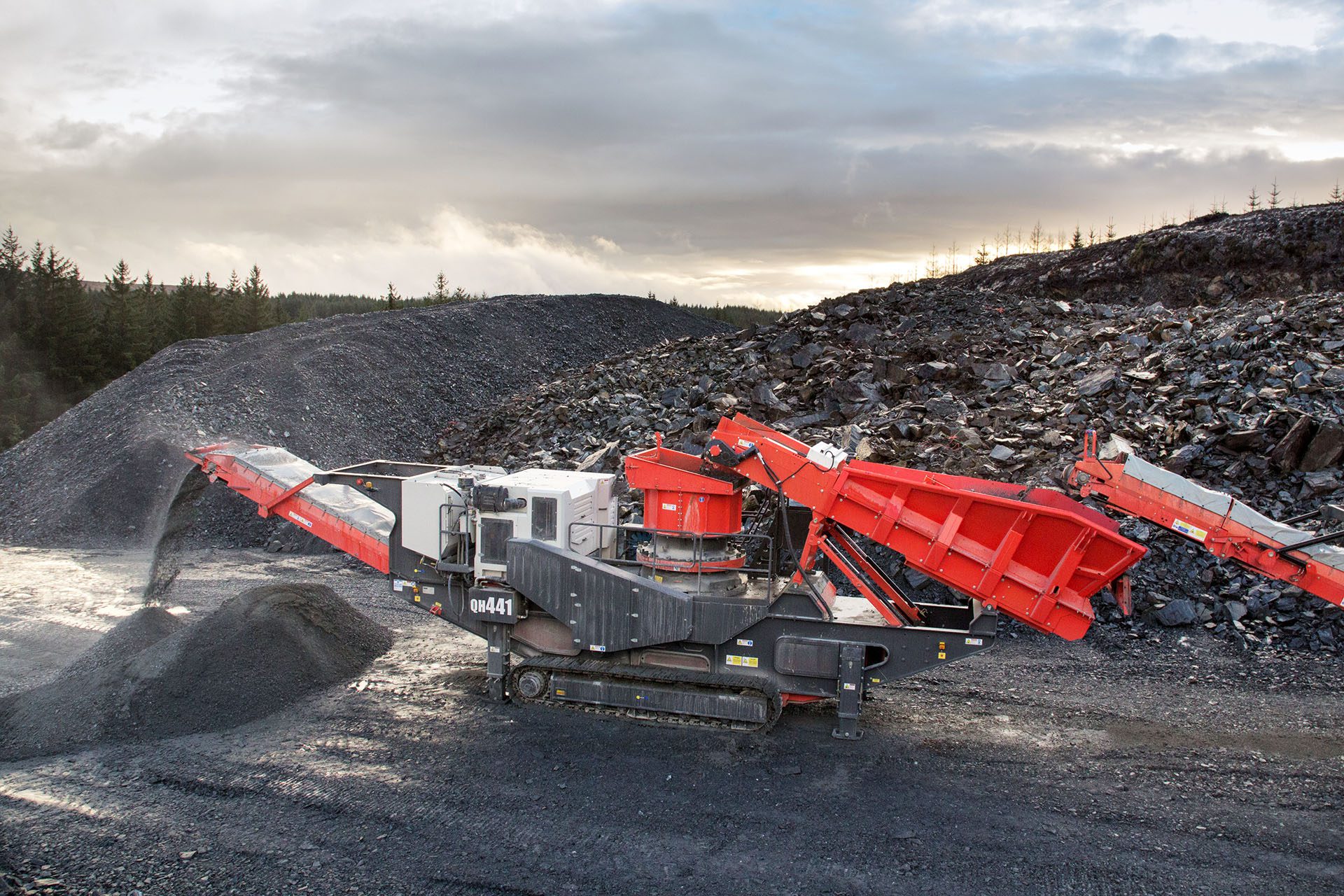
Crusher Inspections and Maintenance
Service programs include checking liners, wear plates, toggle assemblies, belts, and drive components for signs of fatigue or misalignment. Lubrication systems, sensors, and safety switches are verified to ensure proper operation. Regular oil sampling and vibration checks help detect early issues in bearings or gearboxes.
Preventative maintenance minimizes unplanned downtime and extends the overall life of the machine.
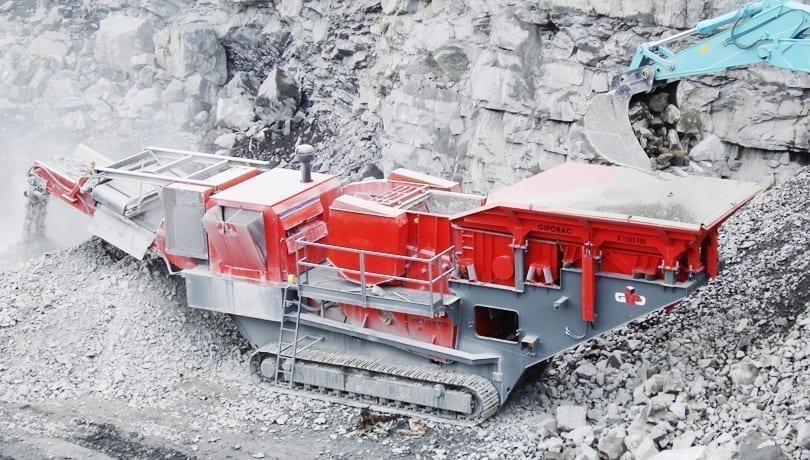
Crusher Rotor, Shaft & Bearing Overhauls
Major assemblies such as rotors, eccentric shafts, and bearing housings require precise maintenance to perform properly. Overhauls involve disassembly, cleaning, dimensional inspection, and replacement of bearings, seals, or worn components.
Technicians verify proper preload and torque on critical fasteners to prevent future mechanical failure. Regular rebuilds keep crushing energy consistent and maintain safe operating conditions.
Crusher Hydraulic & Lubrication System Repairs
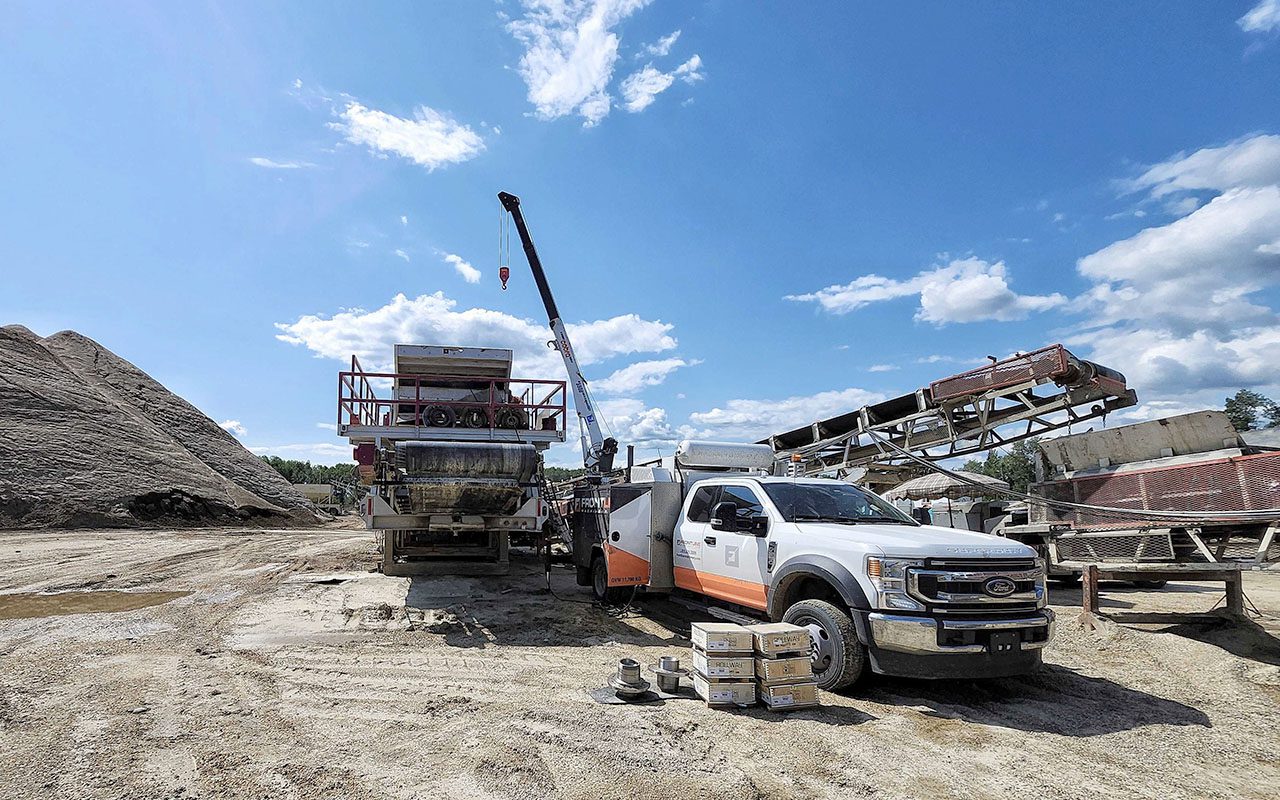
Hydraulic and lubrication systems are critical to crusher operation, and failures in these areas can quickly shut down production.
Services involve fixing leaks, replacing damaged hoses or fittings, resealing cylinders, and rebuilding pumps or valves that have lost pressure or flow control.
Crusher Emergency & Field Service Support
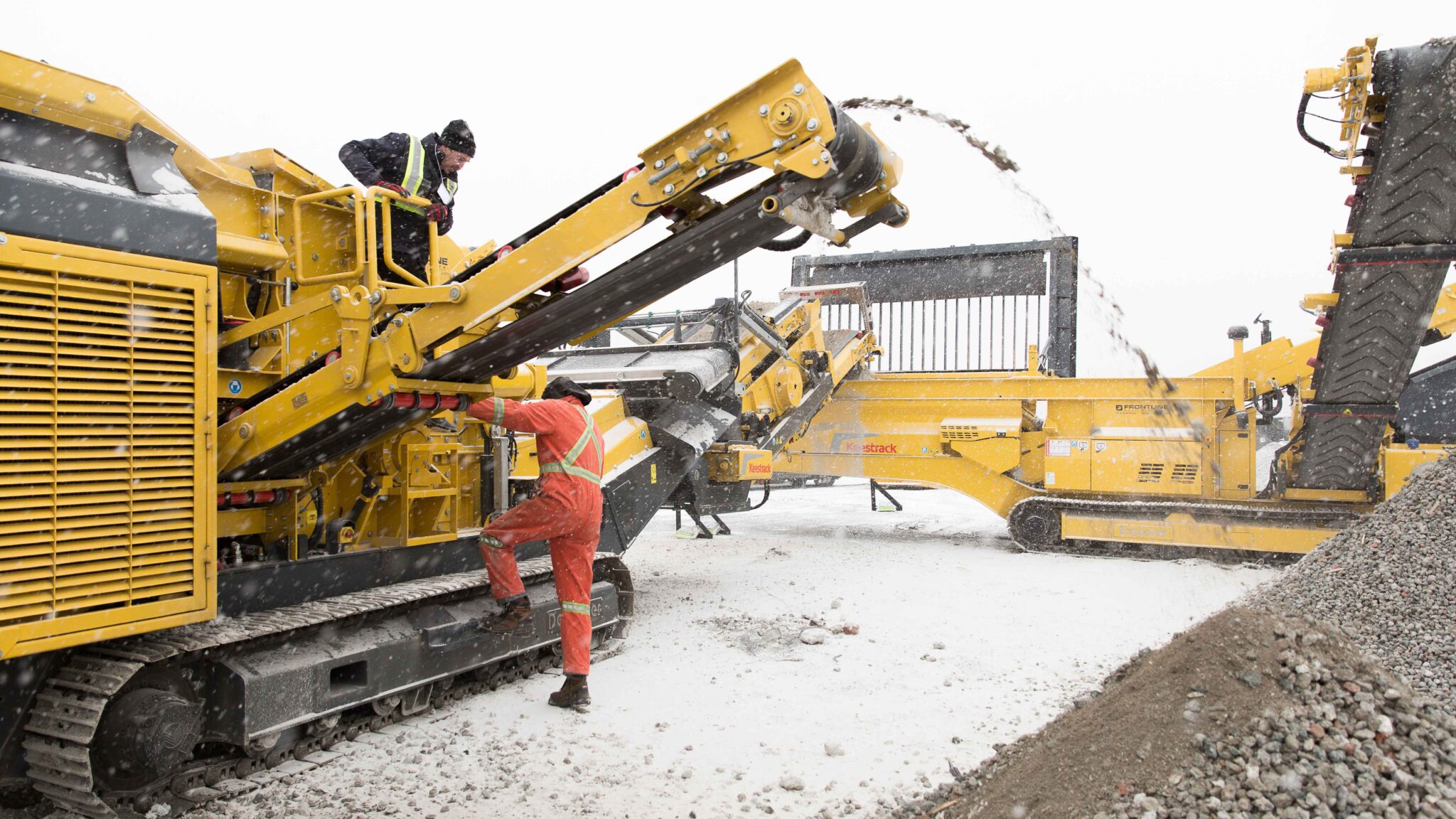
Even with the best maintenance program in place, breakdowns happen. When they do, our priority is to get you producing again. Quickly, safely, and with lasting results. Our technicians are factory-trained across a wide range of crushing equipment, bringing deep technical knowledge to every job.
Backed by an extensive in-stock parts inventory and fully equipped service trucks, we diagnose issues fast, make repairs right the first time, and minimize costly downtime so your operation can stay on schedule.
Crusher Inspections and Maintenance
Service programs include checking liners, wear plates, toggle assemblies, belts, and drive components for signs of fatigue or misalignment. Lubrication systems, sensors, and safety switches are verified to ensure proper operation. Regular oil sampling and vibration checks help detect early issues in bearings or gearboxes.
Preventative maintenance minimizes unplanned downtime and extends the overall life of the machine.
Crusher Rotor, Shaft & Bearing Overhauls
Major assemblies such as rotors, eccentric shafts, and bearing housings require precise maintenance to perform properly. Overhauls involve disassembly, cleaning, dimensional inspection, and replacement of bearings, seals, or worn components.
Technicians verify proper preload and torque on critical fasteners to prevent future mechanical failure. Regular rebuilds keep crushing energy consistent and maintain safe operating conditions.
Crusher Hydraulic & Lubrication System Repairs
Hydraulic and lubrication systems are critical to crusher operation, and failures in these areas can quickly shut down production.
Services involve fixing leaks, replacing damaged hoses or fittings, resealing cylinders, and rebuilding pumps or valves that have lost pressure or flow control.
Crusher Emergency & Field Service Support
Even with the best maintenance program in place, breakdowns happen. When they do, our priority is to get you producing again. Quickly, safely, and with lasting results. Our technicians are factory-trained across a wide range of crushing equipment, bringing deep technical knowledge to every job.
Backed by an extensive in-stock parts inventory and fully equipped service trucks, we diagnose issues fast, make repairs right the first time, and minimize costly downtime so your operation can stay on schedule.
Machine Types
Screener Services
Screener Inspections and Maintenance
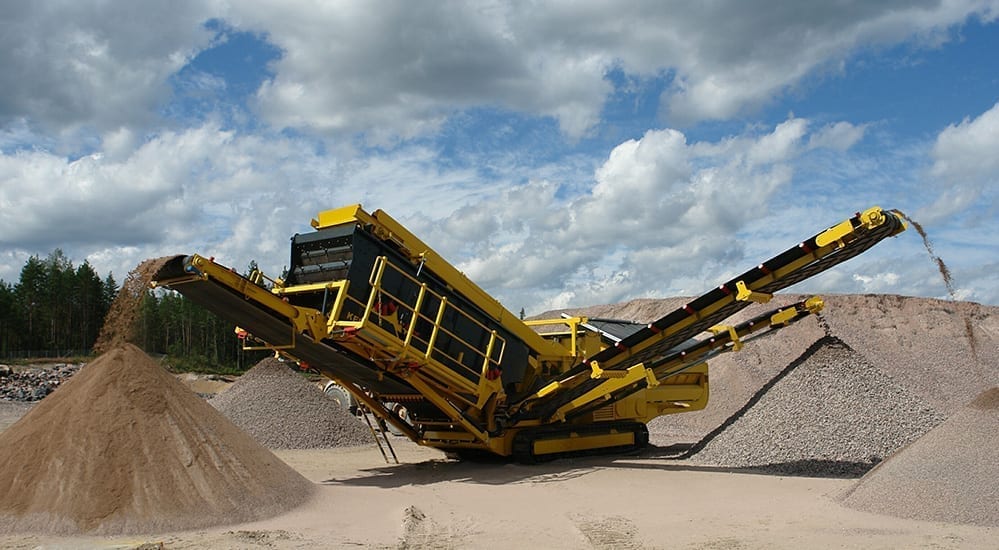
Worn screens, bad configurations, plugged screens, torn belts are all signs your machine may not be running at full power.
Our team can identify different bottle necks and issues with a full screener inspection. Get professional advice on configurations, parts, installation services and more, all specific to your application.
Screen Media Replacement & Tensioning
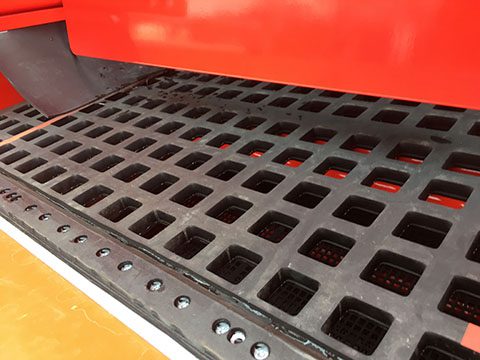
Changing out worn or damaged screen media is one of the most important parts of maintaining a screener. Properly tensioned and aligned decks prevent blinding, maintain open area efficiency, and deliver cleaner product separation.
Our technicians replace woven wire, punch plate, rubber, or finger decks as needed, ensuring each panel fits tight and runs true. We also evaluate wear patterns to recommend the best material type for your application. The result is a screener that performs reliably and consistently under heavy load.
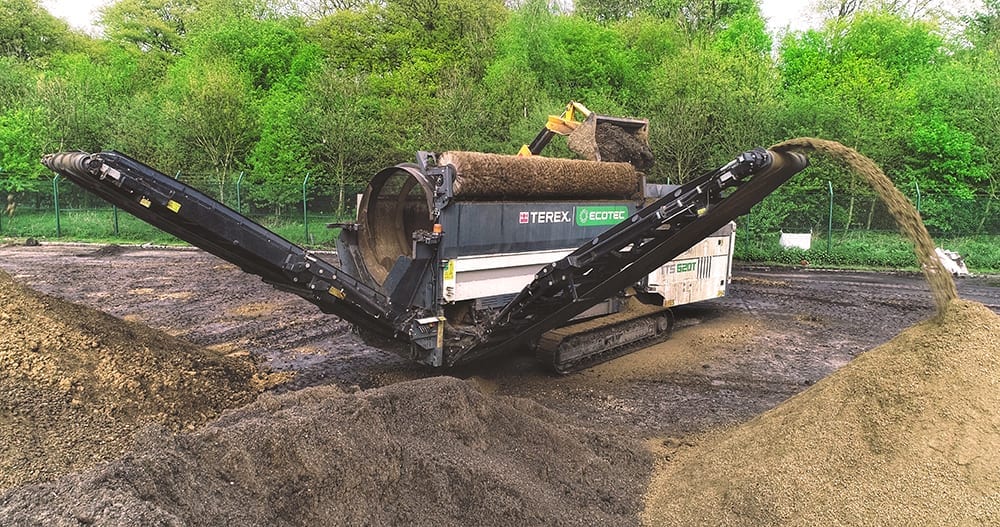
Screener Hydraulic, Powertrain & Conveyor Maintenance
Our maintenance programs include fluid changes, filter replacements, leak detection, and calibration of hydraulic pumps and motors. Conveyor belts are tracked and tensioned to prevent spillage or misalignment, and idlers or rollers are replaced where necessary. Drive motors and gearbox assemblies are inspected for noise, vibration, or oil leaks that could lead to premature failure.
Regular attention to these systems ensures your screener maintains consistent feed and discharge flow across every shift.
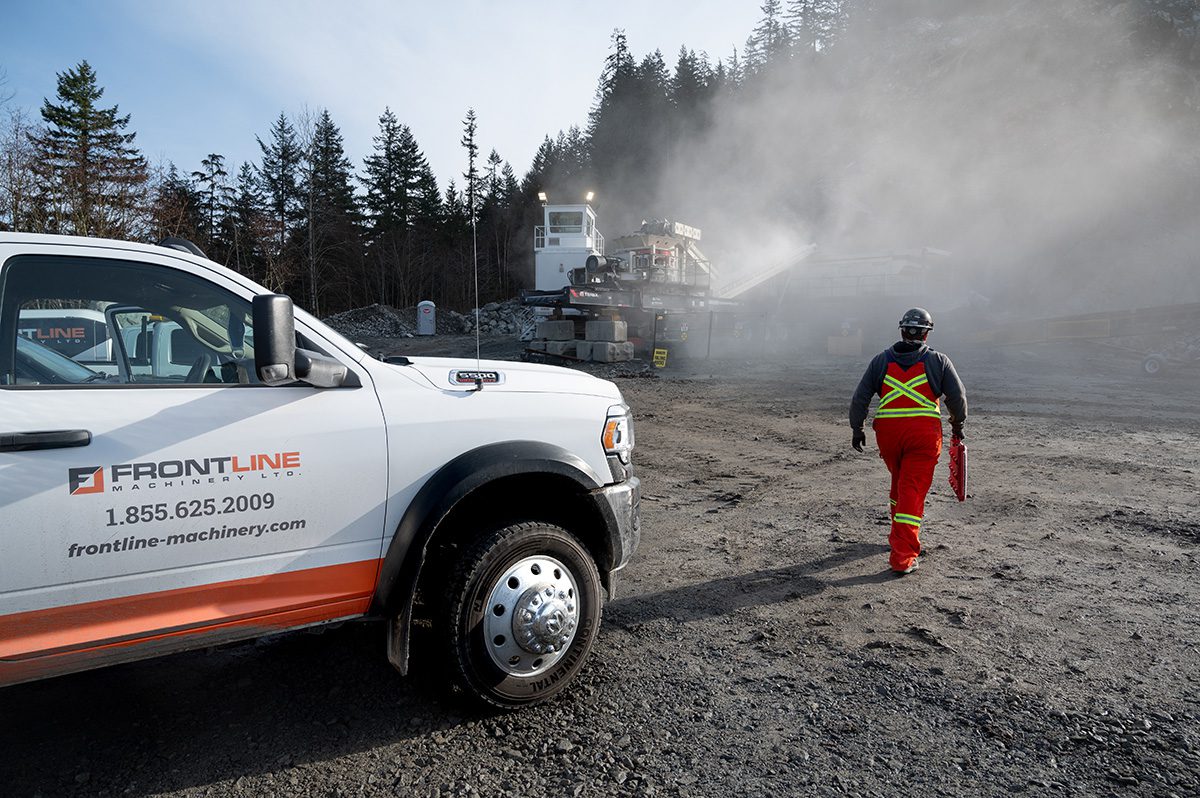
Screener Emergency & Field Service Support
When downtime happens, our mobile service team responds quickly to get you back up and running. We handle emergency repairs on broken screens, torn belts, hydraulic failures, or damaged drive components directly on-site.
Trucks are equipped with welding, fabrication, and diagnostic tools to complete most repairs without removing the machine from service. We also provide after-hours support for critical applications and remote operations. Our goal is to minimize disruption and restore full production as quickly as possible.
Screener Inspections and Maintenance
Worn screens, bad configurations, plugged screens, torn belts are all signs your machine may not be running at full power.
Our team can identify different bottle necks and issues with a full screener inspection. Get professional advice on configurations, parts, installation services and more, all specific to your application.
Screen Media Replacement & Tensioning
Changing out worn or damaged screen media is one of the most important parts of maintaining a screener. Properly tensioned and aligned decks prevent blinding, maintain open area efficiency, and deliver cleaner product separation.
Our technicians replace woven wire, punch plate, rubber, or finger decks as needed, ensuring each panel fits tight and runs true. We also evaluate wear patterns to recommend the best material type for your application. The result is a screener that performs reliably and consistently under heavy load.
Screener Hydraulic, Powertrain & Conveyor Maintenance
Our maintenance programs include fluid changes, filter replacements, leak detection, and calibration of hydraulic pumps and motors. Conveyor belts are tracked and tensioned to prevent spillage or misalignment, and idlers or rollers are replaced where necessary. Drive motors and gearbox assemblies are inspected for noise, vibration, or oil leaks that could lead to premature failure.
Regular attention to these systems ensures your screener maintains consistent feed and discharge flow across every shift.
Screener Emergency & Field Service Support
When downtime happens, our mobile service team responds quickly to get you back up and running. We handle emergency repairs on broken screens, torn belts, hydraulic failures, or damaged drive components directly on-site.
Trucks are equipped with welding, fabrication, and diagnostic tools to complete most repairs without removing the machine from service. We also provide after-hours support for critical applications and remote operations. Our goal is to minimize disruption and restore full production as quickly as possible.
Machine types
Horizontal Grinder Services
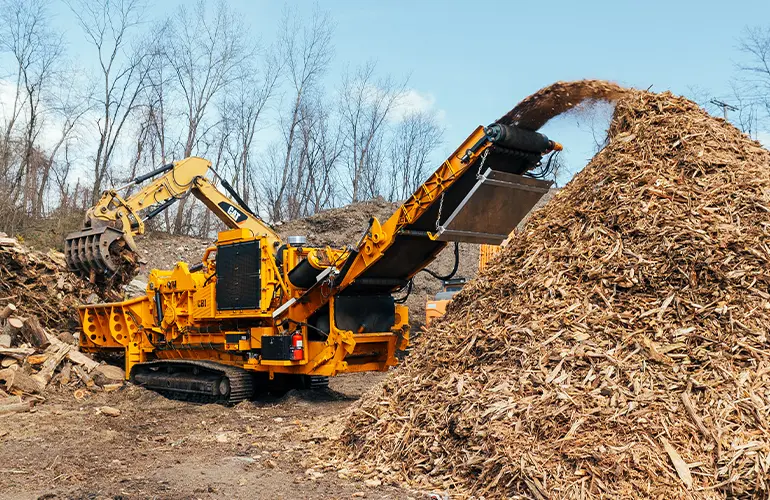
Grinder Inspections and Maintenance
Preventative Services to Keep your Shredder, Shredding
Routine inspections keep high-speed grinders performing safely and efficiently. These programs cover daily, weekly, and monthly checks of the rotor, feed system, engine, and conveyor components. Service technicians measure wear, inspect liners, check hammer or tip condition, and verify belt and hydraulic performance.
Preventative maintenance also includes checking fluid levels, tightening fasteners, and calibrating control systems. Consistent inspection helps prevent costly failures and keeps production on schedule.
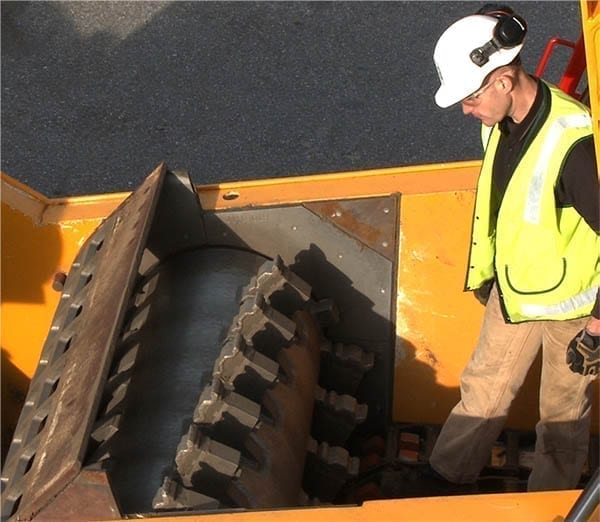
Grinder Rotor, Hammer, and Tip Servicing
The rotor is the heart of every grinder, and proper maintenance ensures efficient material reduction. Regular servicing includes replacing hammers or tips, checking rotor balance, and inspecting keyways and bearings for signs of fatigue. Reversible or bolt-on tips are rotated to maximize wear life, while rotor pockets are cleaned and inspected for damage.
Our technicians verify that spacing and alignment meet manufacturer tolerances to maintain smooth operation. This service helps sustain grinding quality, minimize vibration, and extend component life.
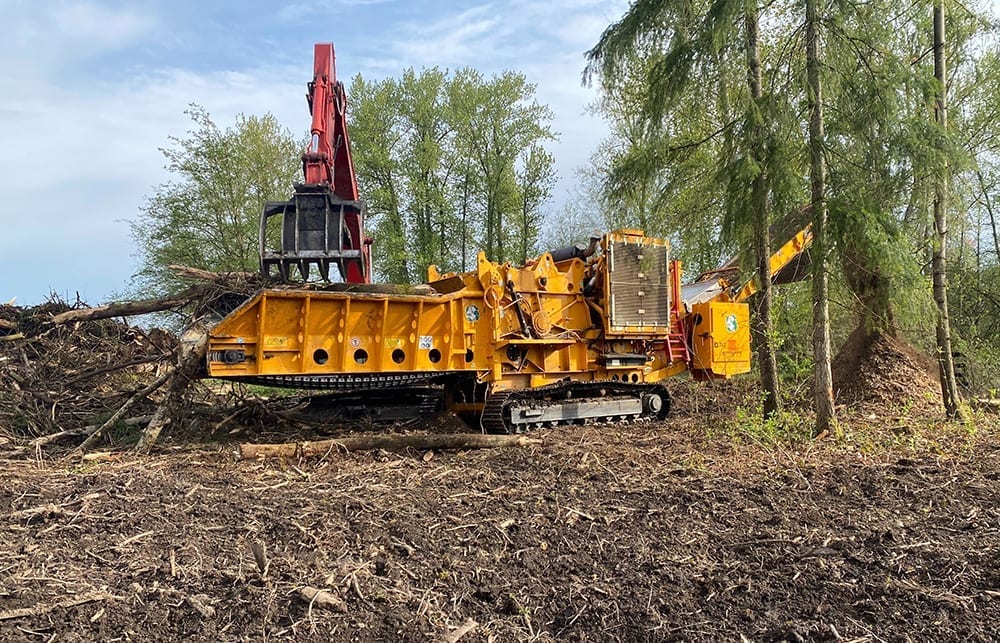
Grinder Engine, Powertrain & Hydraulic System Maintenance
High-horsepower grinders rely on powerful diesel engines and hydraulic systems to deliver torque and throughput. Scheduled maintenance includes oil and filter changes, coolant testing, belt tensioning, and hydraulic pressure checks.
We also inspect pumps, motors, and valves for leaks or heat buildup that could signal early failure. Proper servicing of the hydraulic feed and discharge systems ensures smooth, consistent operation under load. Keeping these systems clean and calibrated protects major components and reduces downtime.
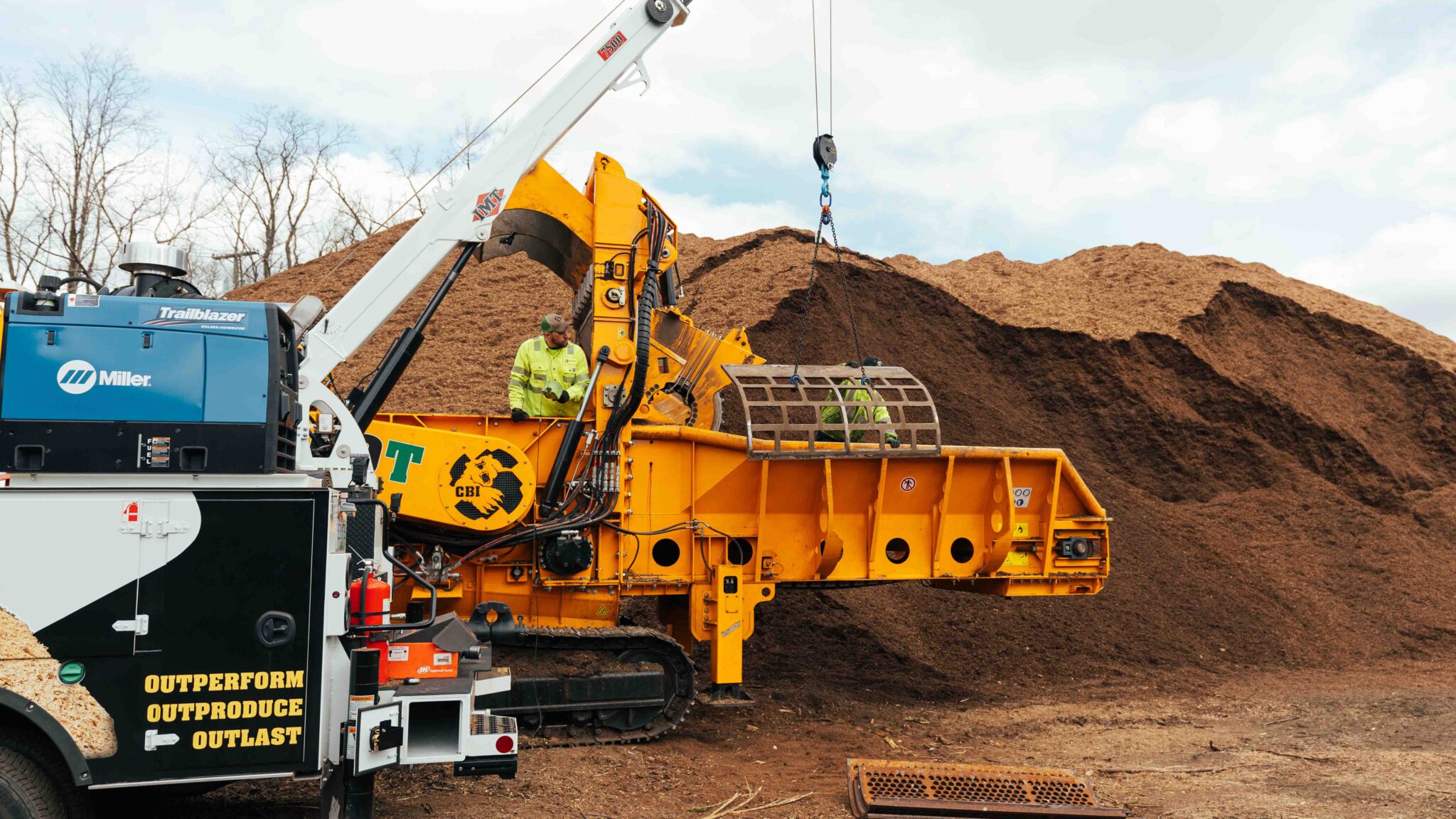
Emergency & Field Service Support
When downtime happens, our mobile service team responds quickly to get your grinder running again. We handle repairs on-site for rotor damage, hydraulic failures, conveyor breakdowns, and electrical or engine issues.
Our technicians carry the tools and parts needed for welding, fabrication, and diagnostic work in the field. We also offer after-hours support for critical production schedules. Fast response minimizes disruption and helps keep your operation productive.
Grinder Inspections and Maintenance
Preventative Services to Keep your Shredder, Shredding
Routine inspections keep high-speed grinders performing safely and efficiently. These programs cover daily, weekly, and monthly checks of the rotor, feed system, engine, and conveyor components. Service technicians measure wear, inspect liners, check hammer or tip condition, and verify belt and hydraulic performance.
Preventative maintenance also includes checking fluid levels, tightening fasteners, and calibrating control systems. Consistent inspection helps prevent costly failures and keeps production on schedule.
Grinder Rotor, Hammer, and Tip Servicing
The rotor is the heart of every grinder, and proper maintenance ensures efficient material reduction. Regular servicing includes replacing hammers or tips, checking rotor balance, and inspecting keyways and bearings for signs of fatigue. Reversible or bolt-on tips are rotated to maximize wear life, while rotor pockets are cleaned and inspected for damage.
Our technicians verify that spacing and alignment meet manufacturer tolerances to maintain smooth operation. This service helps sustain grinding quality, minimize vibration, and extend component life.
Grinder Engine, Powertrain & Hydraulic System Maintenance
High-horsepower grinders rely on powerful diesel engines and hydraulic systems to deliver torque and throughput. Scheduled maintenance includes oil and filter changes, coolant testing, belt tensioning, and hydraulic pressure checks.
We also inspect pumps, motors, and valves for leaks or heat buildup that could signal early failure. Proper servicing of the hydraulic feed and discharge systems ensures smooth, consistent operation under load. Keeping these systems clean and calibrated protects major components and reduces downtime.
Emergency & Field Service Support
When downtime happens, our mobile service team responds quickly to get your grinder running again. We handle repairs on-site for rotor damage, hydraulic failures, conveyor breakdowns, and electrical or engine issues.
Our technicians carry the tools and parts needed for welding, fabrication, and diagnostic work in the field. We also offer after-hours support for critical production schedules. Fast response minimizes disruption and helps keep your operation productive.
Machine Types
Debarker & Chipper Services
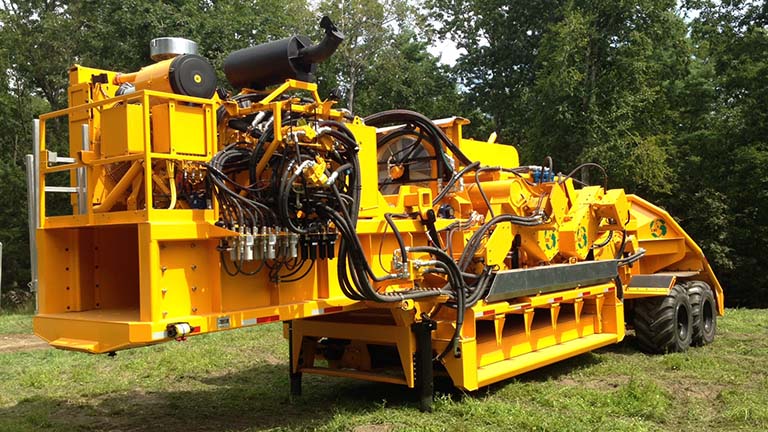
Fail Debarker Services
Maintenance focuses on feed rolls, rotor assemblies, hydraulic drives, and liner systems that experience constant friction and vibration.
Technicians check for alignment issues, replace worn liners and bearings, and rebuild feed rollers or hydraulic cylinders as needed. Structural inspections identify cracks or metal fatigue in the chamber and housing.
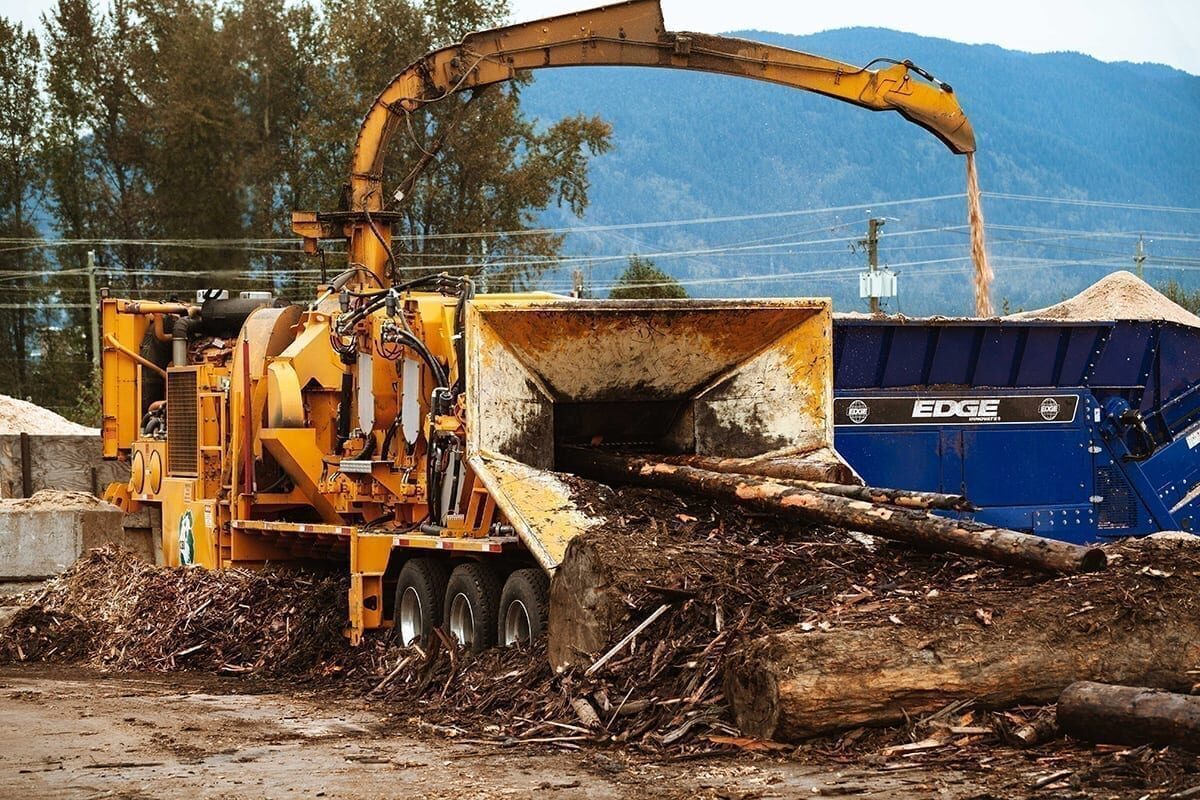
Disc Chipper Services
Consistent chip quality and safe operation depend on sharp knives, balanced discs, and clean, well-maintained feed systems.
Regular servicing includes knife replacement or sharpening, anvil and counter-knife adjustments, and inspection of the disc for cracks or imbalance. Bearings and drive couplings are monitored for heat, vibration, and lubrication integrity. Hydraulic clamps, feed rollers, and chip discharge chutes are checked to prevent feed interruptions or uneven sizing.
Drum Chipper Services
Service tasks include replacing or rotating knives and holders, inspecting wear liners, and verifying drum balance and bearing condition. Hydraulic systems controlling the infeed and discharge are checked for leaks or pressure loss, while drive belts and couplings are tensioned and aligned.
Properly serviced drum chippers deliver steady production, precise chip sizing, and lower fuel consumption across heavy-duty operations.
Fail Debarker Services
Maintenance focuses on feed rolls, rotor assemblies, hydraulic drives, and liner systems that experience constant friction and vibration.
Technicians check for alignment issues, replace worn liners and bearings, and rebuild feed rollers or hydraulic cylinders as needed. Structural inspections identify cracks or metal fatigue in the chamber and housing.
Disc Chipper Services
Consistent chip quality and safe operation depend on sharp knives, balanced discs, and clean, well-maintained feed systems.
Regular servicing includes knife replacement or sharpening, anvil and counter-knife adjustments, and inspection of the disc for cracks or imbalance. Bearings and drive couplings are monitored for heat, vibration, and lubrication integrity. Hydraulic clamps, feed rollers, and chip discharge chutes are checked to prevent feed interruptions or uneven sizing.
Drum Chipper Services
Service tasks include replacing or rotating knives and holders, inspecting wear liners, and verifying drum balance and bearing condition. Hydraulic systems controlling the infeed and discharge are checked for leaks or pressure loss, while drive belts and couplings are tensioned and aligned.
Properly serviced drum chippers deliver steady production, precise chip sizing, and lower fuel consumption across heavy-duty operations.
Machine types
Shredder Services
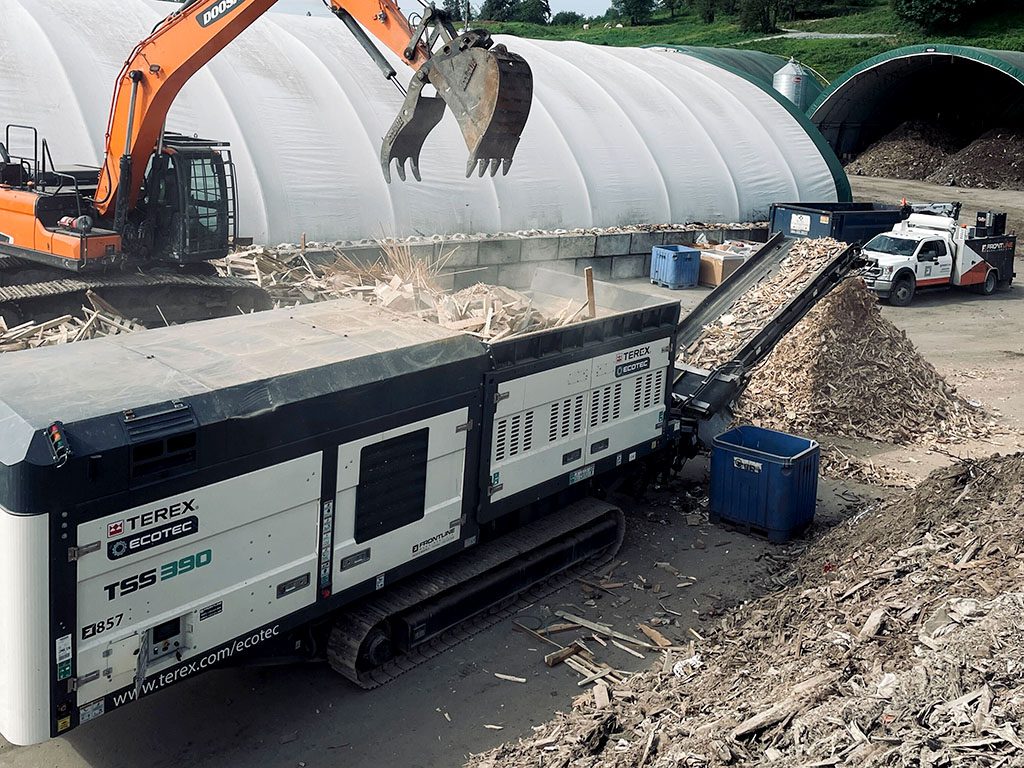
Shredder Inspections & Maintenance
Routine inspections keep shredders performing reliably and safely under load. Technicians check the shaft(s), hydraulic systems, discharge conveyors, and infeed table for wear, cracks, and fatigue. Lubrication points, bolts, hydraulic hoses and fasteners are all verified to ensure nothing is left to chance.
The goal is to identify wear or emerging issues before they escalate into costly downtime. A scheduled preventive program can significantly extend the life of your equipment and keep production steady.
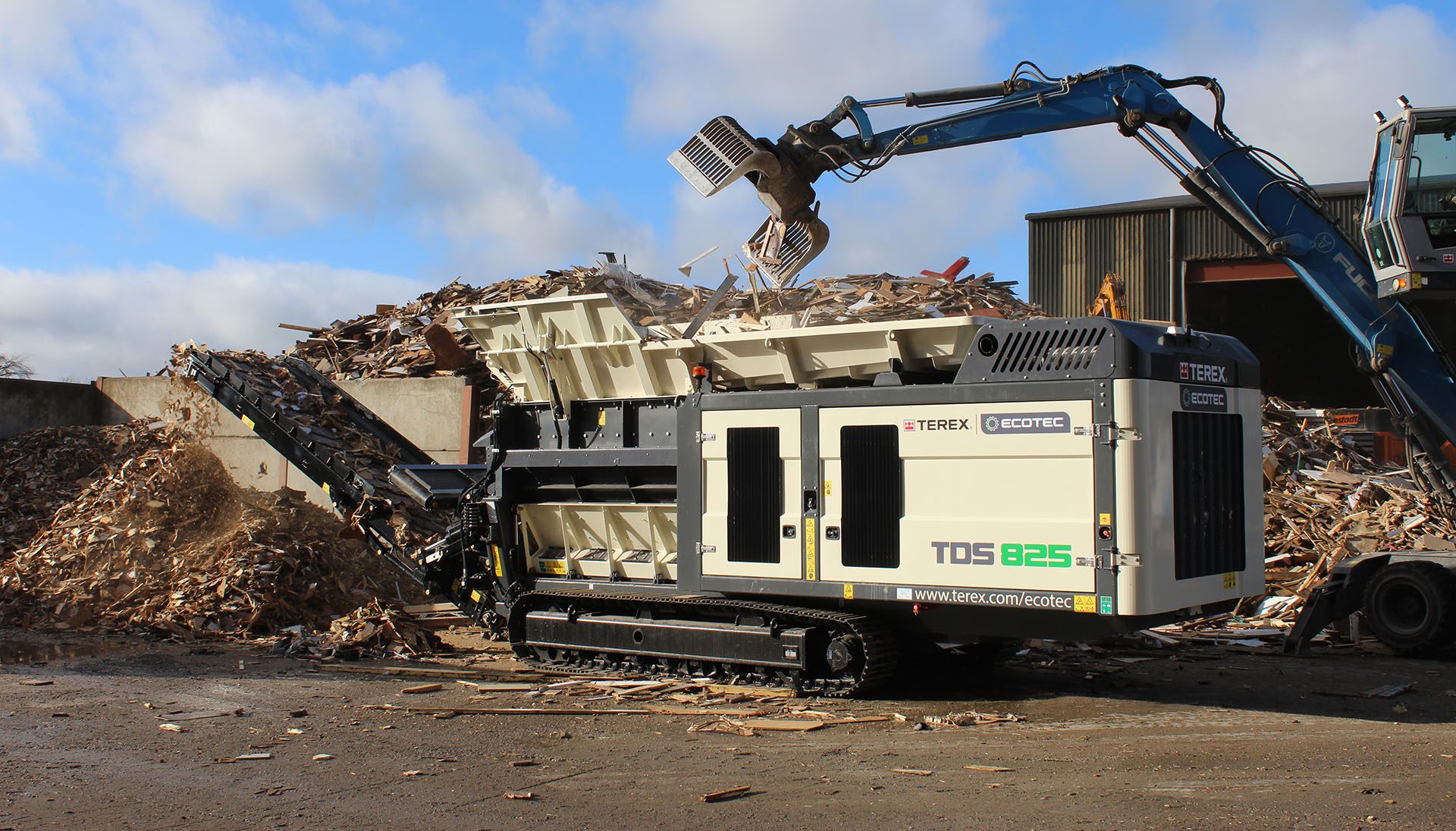
Shredder Hydraulic & Powertrain Services
Shredders rely on robust hydraulic and powertrain systems to generate torque, drive the shaft(s) and feed material effectively. Maintenance covers hydraulic fluid changes, filter replacements, leak detection, and pressure testing on motors, pumps and valves. Gearboxes, couplings and drive belts are inspected for wear, heat, and misalignment.
Clean, calibrated systems deliver consistent power and protect expensive components from damage. Keeping these systems in excellent condition directly impacts uptime and machine longevity.
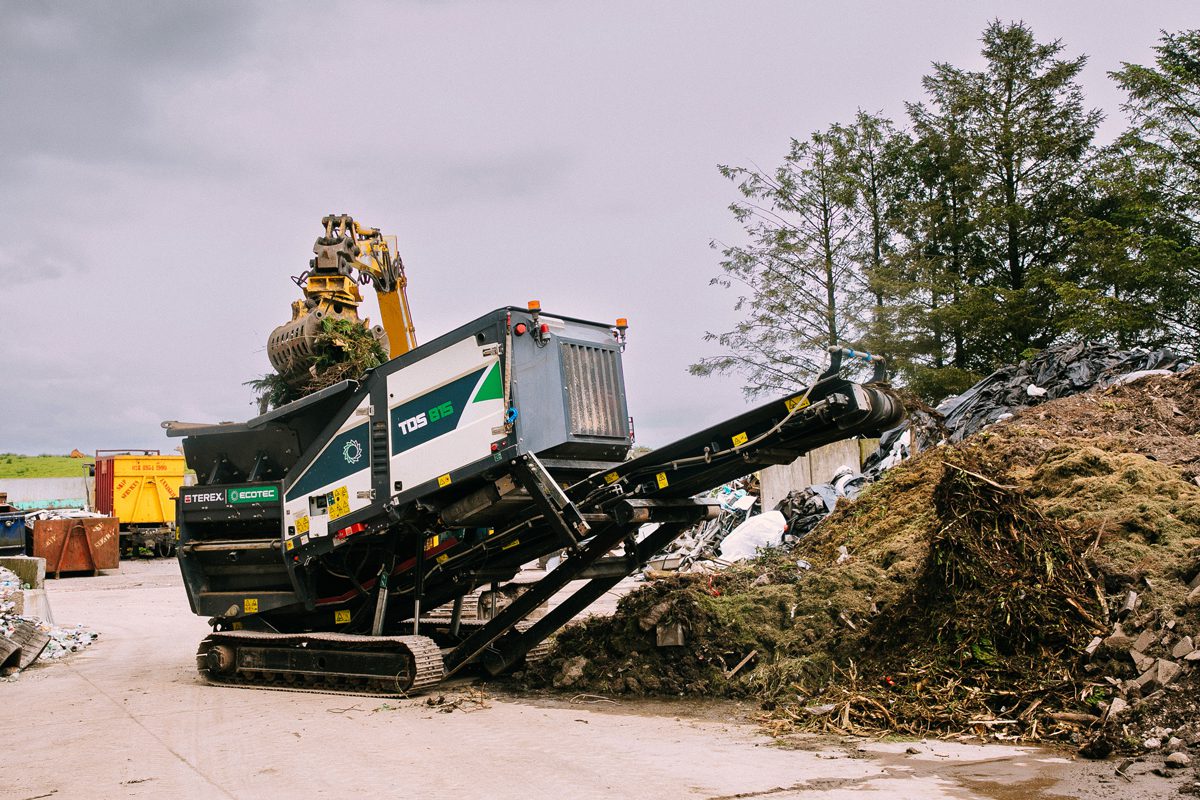
Shredder Conveyor & Infeed System Servicing
Efficient material flow through the shredder starts with a reliable infeed and discharge system. Service tasks include tracking and tensioning belts, inspecting rollers, idlers and chains, and clearing build-up in feed hoppers or metering conveyors. Wear on feed tables and conveyor skirting is addressed to prevent spillage and material hang-ups.
A clean, well-aligned feed system ensures steady throughput and reduces stress on the shredder’s drive components. Regular attention to these systems supports consistent output and smoother operation.
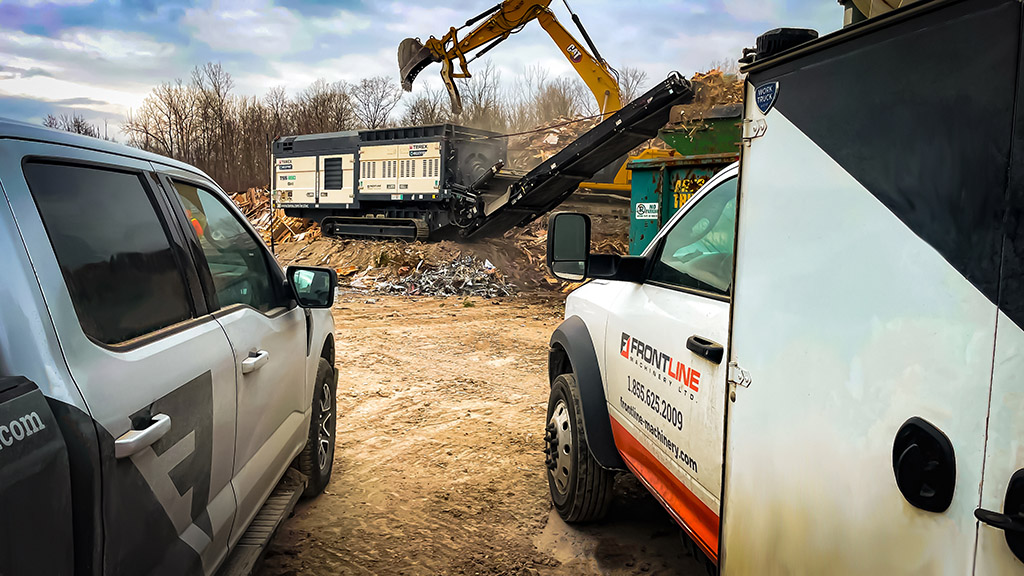
Shredder Emergency & Field Service Support
When breakdowns happen, rapid response is crucial to avoid production losses. Field service teams are equipped to handle on-site repairs such as cutter replacement, hydraulic failures, rotor damage or conveyor problems. Trucks carry welding, fabrication and diagnostic equipment to restore operation without expensive transport.
Remote diagnostic support is also available for systems monitoring and troubleshooting. Quick, reliable field service helps minimize downtime and keeps your shredding line moving.
Shredder Inspections & Maintenance
Routine inspections keep shredders performing reliably and safely under load. Technicians check the shaft(s), hydraulic systems, discharge conveyors, and infeed table for wear, cracks, and fatigue. Lubrication points, bolts, hydraulic hoses and fasteners are all verified to ensure nothing is left to chance.
The goal is to identify wear or emerging issues before they escalate into costly downtime. A scheduled preventive program can significantly extend the life of your equipment and keep production steady.
Shredder Hydraulic & Powertrain Services
Shredders rely on robust hydraulic and powertrain systems to generate torque, drive the shaft(s) and feed material effectively. Maintenance covers hydraulic fluid changes, filter replacements, leak detection, and pressure testing on motors, pumps and valves. Gearboxes, couplings and drive belts are inspected for wear, heat, and misalignment.
Clean, calibrated systems deliver consistent power and protect expensive components from damage. Keeping these systems in excellent condition directly impacts uptime and machine longevity.
Shredder Conveyor & Infeed System Servicing
Efficient material flow through the shredder starts with a reliable infeed and discharge system. Service tasks include tracking and tensioning belts, inspecting rollers, idlers and chains, and clearing build-up in feed hoppers or metering conveyors. Wear on feed tables and conveyor skirting is addressed to prevent spillage and material hang-ups.
A clean, well-aligned feed system ensures steady throughput and reduces stress on the shredder’s drive components. Regular attention to these systems supports consistent output and smoother operation.
Shredder Emergency & Field Service Support
When breakdowns happen, rapid response is crucial to avoid production losses. Field service teams are equipped to handle on-site repairs such as cutter replacement, hydraulic failures, rotor damage or conveyor problems. Trucks carry welding, fabrication and diagnostic equipment to restore operation without expensive transport.
Remote diagnostic support is also available for systems monitoring and troubleshooting. Quick, reliable field service helps minimize downtime and keeps your shredding line moving.
Machine types
Conveyor Services
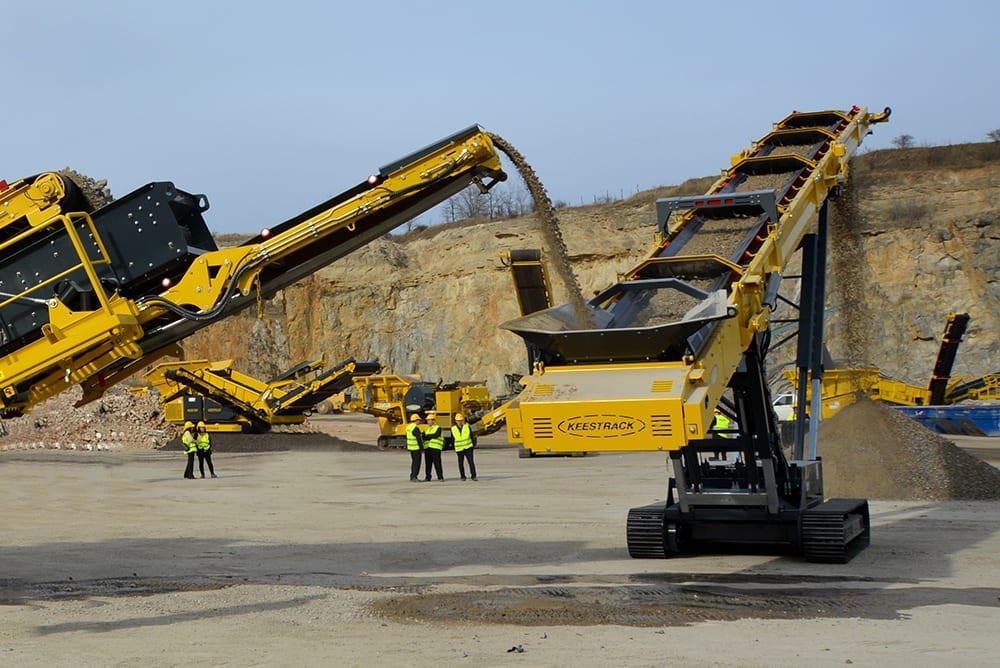
Conveyor Inspections and Maintenance
Regular inspections keep tracked conveyors safe and operational in tough environments. Technicians check the undercarriage, track system, belt condition, idlers, and structural frame for wear, misalignment, and damage.
A structured inspection plan dramatically reduces unplanned downtime and extends the conveyor’s lifecycle.
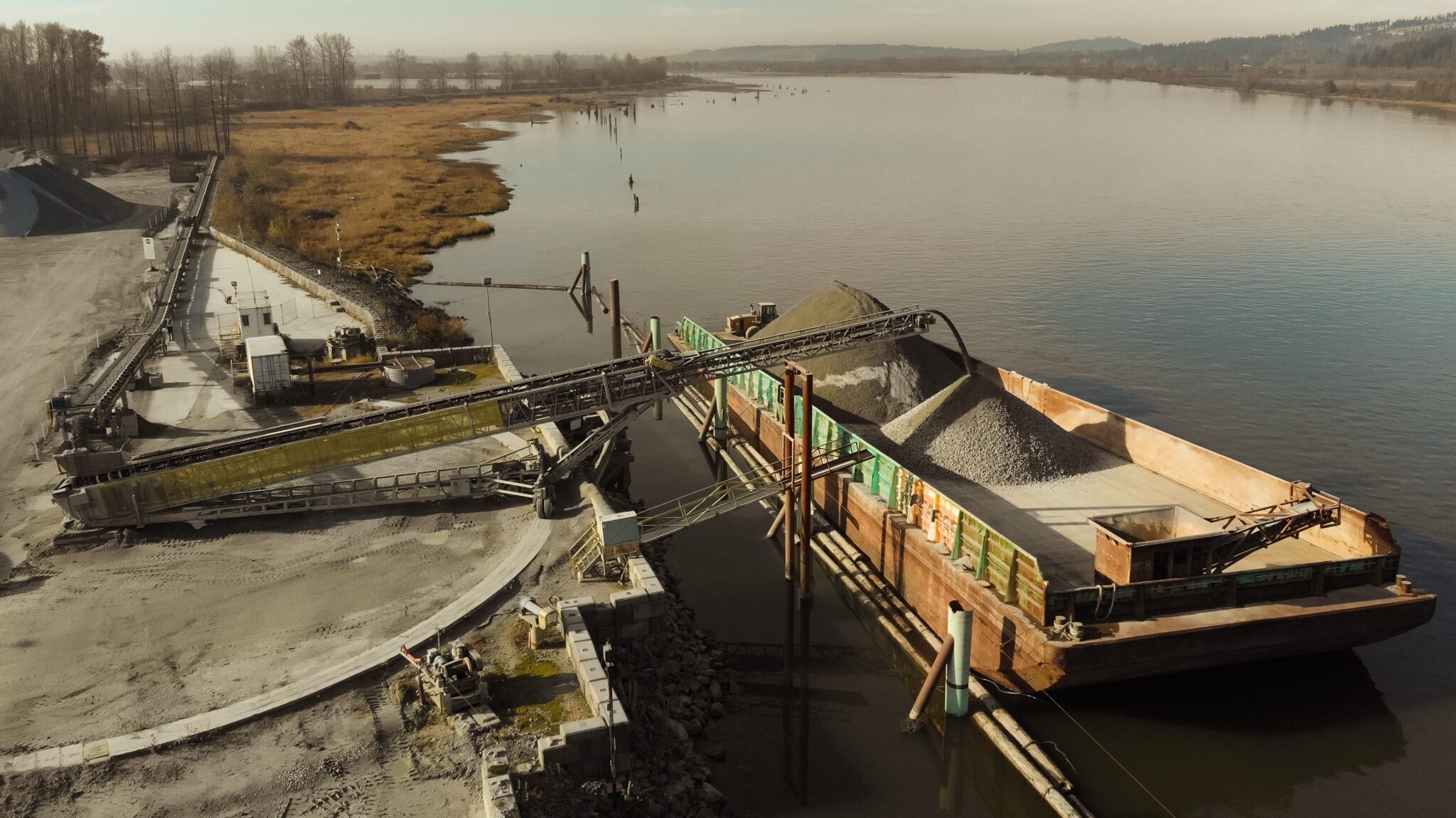
Conveyor Belt, Idler & Roller Repairs
Conveyor belts, idlers and rollers are fundamental to material handling, and any fault can impact throughput and increase wear elsewhere in your system. Repairs often include tracking and tensioning belts, replacing worn or frayed belt sections, and ensuring splices hold under load. Idlers and rollers are recommended to be inspected for bearing damage, shell wear or contamination; bearing failures increase motor load and belt wear and reduce system efficiency.
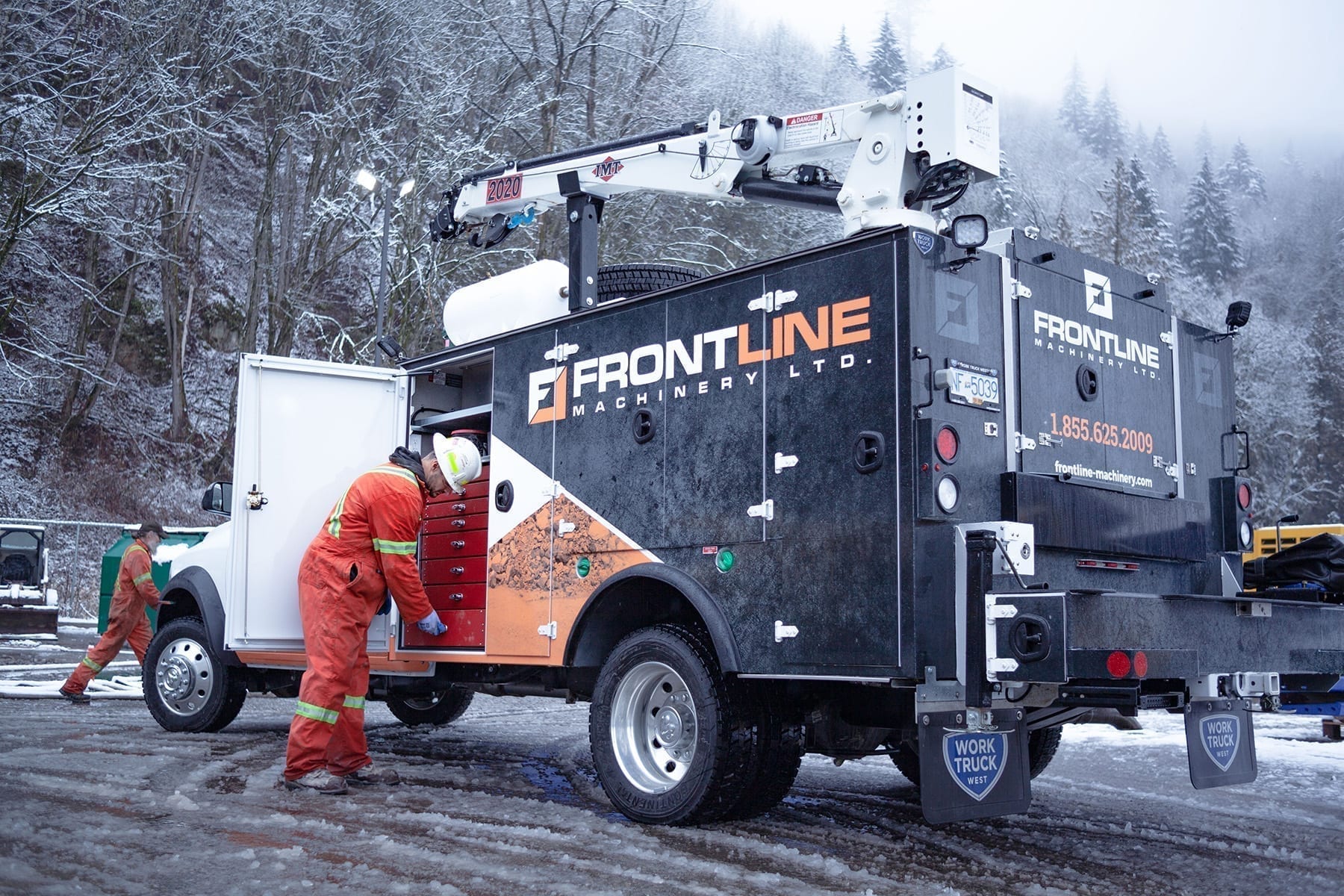
Conveyor Emergency & Field Service Support
When a tracked conveyor goes down in the field, immediate response keeps your production flowing. Field service technicians arrive onsite with tools and parts to handle conveyor belt repairs, idler/roller replacements, track system fixes, hydraulic failures, or structural weld work.
Mobile crews are equipped to complete repairs without hauling machines back to a shop, which saves downtime and transport costs. Remote diagnostics and parts dispatch are available to support operations in remote or multi-site environments. Quick, reliable field service protects your investment and helps maintain production momentum.
Conveyor Inspections and Maintenance
Regular inspections keep tracked conveyors safe and operational in tough environments. Technicians check the undercarriage, track system, belt condition, idlers, and structural frame for wear, misalignment, and damage.
A structured inspection plan dramatically reduces unplanned downtime and extends the conveyor’s lifecycle.
Conveyor Belt, Idler & Roller Repairs
Conveyor belts, idlers and rollers are fundamental to material handling, and any fault can impact throughput and increase wear elsewhere in your system. Repairs often include tracking and tensioning belts, replacing worn or frayed belt sections, and ensuring splices hold under load. Idlers and rollers are recommended to be inspected for bearing damage, shell wear or contamination; bearing failures increase motor load and belt wear and reduce system efficiency.
Conveyor Emergency & Field Service Support
When a tracked conveyor goes down in the field, immediate response keeps your production flowing. Field service technicians arrive onsite with tools and parts to handle conveyor belt repairs, idler/roller replacements, track system fixes, hydraulic failures, or structural weld work.
Mobile crews are equipped to complete repairs without hauling machines back to a shop, which saves downtime and transport costs. Remote diagnostics and parts dispatch are available to support operations in remote or multi-site environments. Quick, reliable field service protects your investment and helps maintain production momentum.